
Indoor Cats vs. Outdoor Cats: Health Risks and Benefits
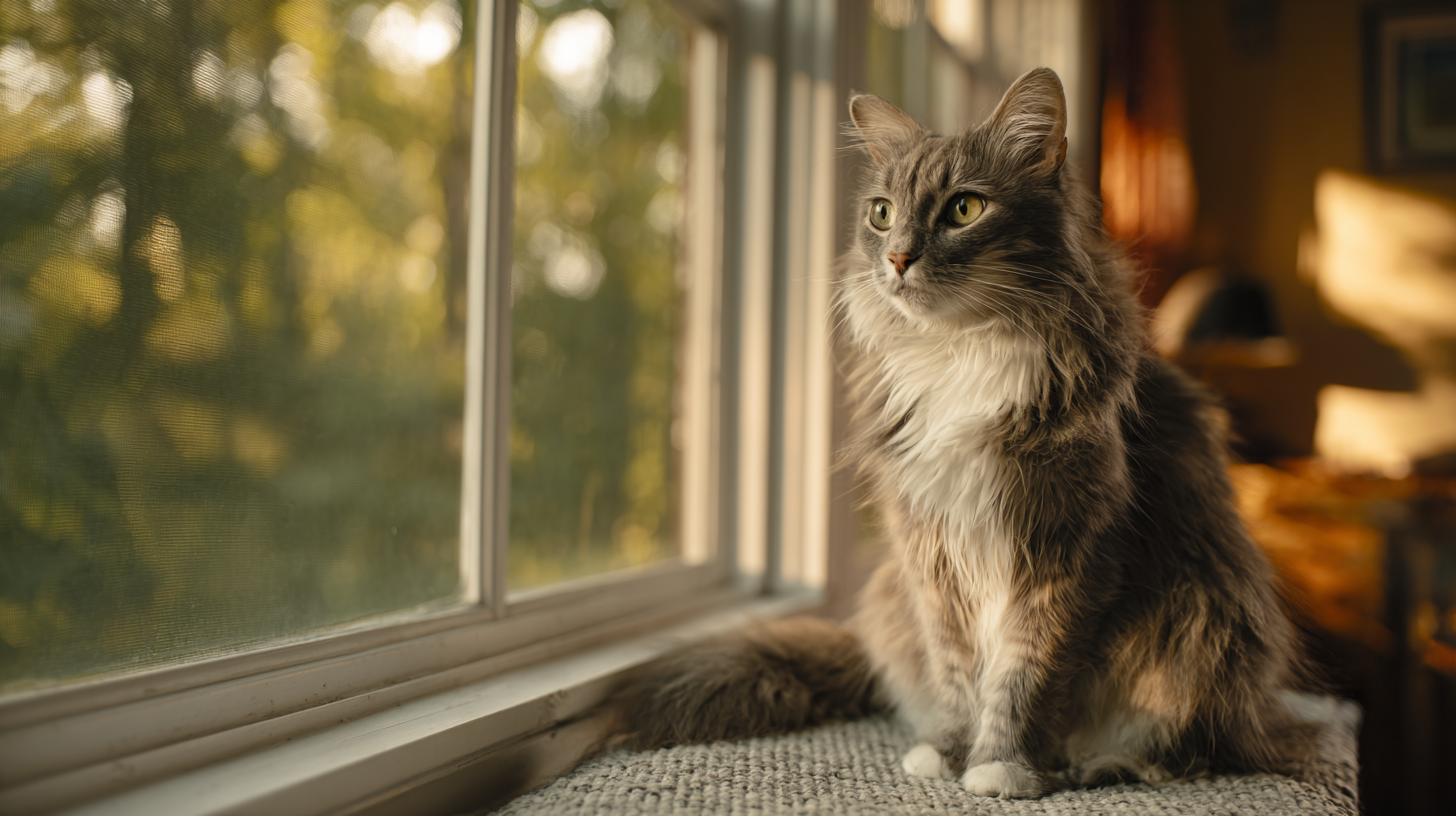
For many cat owners in the Charlottesville area, one question comes up again and again: Should my cat live indoors, outdoors, or somewhere in between? It’s a topic that sparks strong opinions—and for good reason. Where your cat spends their time plays a major role in their health, safety, and overall well-being.
At a local veterinary clinic like Wag Veterinary, this is a conversation veterinarians have with cat owners every week. Whether you live in town or elsewhere in Albemarle County, understanding the risks and benefits of different cat lifestyles can help you make a confident, informed decision for your pet.
Let’s take a closer look.
Understanding a Cat’s Natural Instincts
Cats are natural hunters and explorers. Even the calmest indoor cat still carries instincts shaped by thousands of years of evolution. Outdoor environments offer excitement—new smells, movement, and opportunities to explore.
At the same time, domestic cats are not wild animals. They rely on humans for food, shelter, and medical care, and today’s outdoor world includes hazards their instincts aren’t equipped to manage.
The goal is to balance instinctual needs with real-world safety.
Indoor Cats: Benefits and Risks
Benefits of an Indoor Lifestyle
1. Longer life expectancy
Indoor cats typically live much longer than cats with unrestricted outdoor access. Protection from traffic, predators, and environmental dangers plays a major role.
2. Reduced risk of illness and injury
Indoor cats are far less likely to encounter:
Contagious diseases like feline leukemia virus (FeLV) or feline immunodeficiency virus (FIV)
Parasites such as fleas, ticks, and intestinal worms
Injuries from fights with other animals or run-ins with road traffic
3. A controlled, predictable environment
Inside the home, you control exposure to hazards—no cars, wildlife, or lawn chemicals.
4. Easier health monitoring
Changes in eating, drinking, litter box habits, or behavior are easier to notice when your cat stays indoors allowing for earlier veterinary care.
Potential Challenges for Indoor Cats
1. Boredom without enrichment
Indoor cats depend entirely on their environment for stimulation. Without climbing spaces, toys, or interaction, some cats can become bored, anxious or stressed leading to excessive grooming, intercat aggression or inappropriate urination.
2. Weight gain
Less natural movement can lead to weight gain or obesity if food intake isn’t monitored.
3. Stress in shared spaces
In multi-pet households, limited territory can increase tension if resources aren’t well distributed.
Fortunately, these challenges are very manageable. Vertical spaces, puzzle feeders, window perches, leashed walks and daily playtime go a long way in supporting indoor cats.
Outdoor Cats: Benefits and Risks
Benefits of an Outdoor Lifestyle
1. Natural exercise
Outdoor cats typically get more physical activity through roaming, climbing, and exploring.
2. Constant mental stimulation
The outdoor world provides endless sights, sounds, and scents that keep cats engaged.
3. Expression of natural behaviors
Hunting, patrolling territory, climbing trees and exploring new spaces all come naturally to cats outdoors.
Risks of an Outdoor Lifestyle
1. Injury and trauma
Outdoor cats face real dangers, including:
Vehicle accidents
Fights with other cats or wildlife
Encounters with loose dogs
Even in quieter communities like Crozet, VA, these injuries are more common than many owners expect.
2. Higher exposure to disease
Outdoor cats are significantly more likely to contract contagious illnesses, particularly when interacting with stray or feral cats.
3. Parasites and pests
Exposure to fleas, ticks, and mosquitoes as well as intestinal parasites are far more common in cats that spend time outside.
4. Shorter lifespan
Statistically, outdoor cats live shorter lives due to illness, injury, and environmental hazards.
5. Impact on local wildlife
Cats are efficient hunters, and outdoor cats can significantly affect bird and small animal populations.
The Middle Ground: Supervised Outdoor Access
For many families, the choice isn’t strictly indoor or outdoor. Instead, they look for safer ways to give their cats outdoor experiences without the highest risks.
Common Middle-Ground Options Include:
Catios or enclosed patios
Secure fencing systems designed for cats
Harness and leash walks
*A Note on Leash-Walking Cats
Leash-walking may look unusual, but it’s becoming more common and can be a reasonable option for some cats. These outings are typically short, slow, and led by the cat—not the owner.
Leash walks tend to work best for confident, curious cats who tolerate handling. They are not ideal for cats that are fearful, easily startled, or stressed by restraint or encounters with people or dogs. In those cases, indoor enrichment or enclosed outdoor spaces are usually better alternatives.
For homes with quieter surroundings—such as areas around Ivy, VA—supervised outdoor options can be appealing when introduced thoughtfully.
How Lifestyle Choices Affect Veterinary Care
Your cat’s lifestyle directly influences their preventive care needs.
Indoor and outdoor cats need:
Annual wellness exams
Dental care
Weight and nutrition monitoring
Support for mental stimulation and stress reduction
Cats with outdoor or mixed access may require additional care:
More comprehensive parasite prevention
Additional vaccinations
Regular checks for wounds or infections
A veterinarian can help tailor care recommendations based on how your cat lives, not just their age or breed.
5 Common FAQs About Indoor vs. Outdoor Cats
1. Are indoor cats less happy than outdoor cats?
Not necessarily. Happiness depends on enrichment, not location. A well-stimulated indoor cat can be just as content—and often healthier.
2. Is it normal to leash and walk a cat?
Yes, for some cats. It’s a safe enrichment option for confident cats, but it’s not necessary or appropriate for every cat.
3. Do outdoor cats need more vaccines?
Typically, yes. Outdoor exposure increases disease risk, which often means additional vaccinations and parasite prevention. Although indoor cats that live with cats who go outside will need the same vaccines and preventatives.
4. Is it cruel to keep a cat indoors?
No—provided their physical and mental needs are met. Many indoor cats live long, fulfilled lives.
5. What do most veterinarians recommend?
From a health perspective, indoor living with enrichment—or supervised outdoor access—offers the best balance for most cats.
Final Thoughts
Indoor cats tend to live longer and face fewer medical risks, but they rely on their humans for stimulation and exercise. Outdoor cats enjoy freedom and variety, but that freedom comes with serious safety concerns. For many families, supervised outdoor access provides a practical middle ground.
If you’re unsure which option is best for your cat, a personalized conversation with your veterinarian can help clarify the risks and benefits. With thoughtful planning, you can support a lifestyle that keeps your cat safe, stimulated, and thriving—right here in central Virginia.
