
Do X-Rays Hurt or Scare Cats and Dogs?
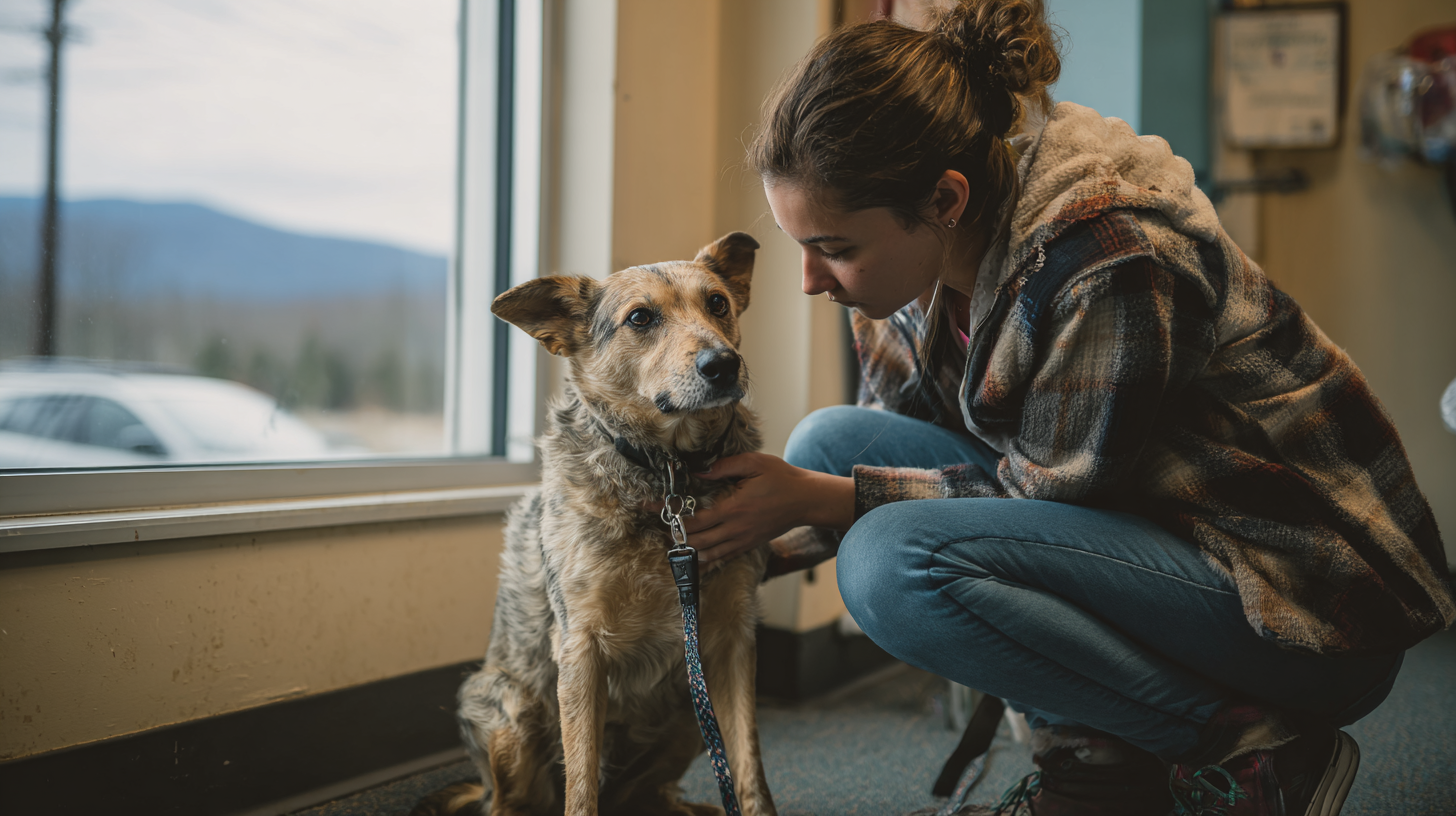
If your pet has ever needed an X-ray at a Charlottesville area veterinary clinic, you may have wondered, “Do X-rays hurt? Are they scary for cats and dogs?”. These are very common questions. When it comes to your pet’s health, it’s normal to want answers and reassurance.
The good news is that X-rays do not hurt. However, some pets may feel anxious during the process. Understanding what happens during an X-ray can help you feel more comfortable and better prepared if your cat or dog ever needs one.
In this article, we’ll explain what X-rays are, why veterinarians use them, whether pets feel pain, and how clinics help animals stay calm.
What Are X-Rays?
X-rays, also called radiographs, are images that allow veterinarians to see inside your pet’s body without surgery. They use a small amount of radiation to create digital images of bones and internal organs.
X-rays are often used to check for:
Broken bones
Swallowed objects
Lung disease
Tumors
Bladder stones
Dental disease
They are a safe and important tool in veterinary medicine when performed by trained professionals.
Do X-Rays Hurt?
The simple answer is no. X-rays do not cause pain.
Your pet does not feel the X-ray as it passes through the body. There is no heat, pressure, or sensation during the imaging. The machine takes the picture quickly, within milliseconds.
If your pet appears uncomfortable during the visit, it is not because of the X-ray itself. It is usually related to stress, positioning, or an existing injury.
Why Might Pets Seem Scared?
Even though X-rays do not hurt, some cats and dogs may feel anxious. Veterinary clinics can be unfamiliar places filled with new smells, sounds, and people.
Here are a few reasons pets may feel uneasy:
Unfamiliar Environment
The veterinary office has unique scents and sounds that animals may not recognize. This can make them cautious or nervous.
Being Held in Position
To get a clear image, veterinary staff may gently position your pet in a specific way. This can feel unusual, especially if your pet is already in pain.
Separation From You
In all cases, pets are taken to an x-ray room for imaging. Being away from their owner may increase anxiety for animals since they look to them for reassurance and comfort.
Existing Pain
If your pet has an injury, such as a broken bone or sore abdomen, movement during positioning may cause discomfort. This discomfort comes from the injury, not from the X-ray itself.
How Veterinarians Help Pets Stay Calm
Veterinary teams are trained to handle animals gently and safely. Their goal is to reduce stress while getting clear diagnostic images.
Common techniques include:
Gentle Handling
Veterinary technicians use calm voices and careful movements. They are trained to position pets safely and comfortably.
Comfortable Padding
Soft pads, foam supports, and towels help keep pets stable and supported during imaging.
Minimizing Time
Modern digital X-rays work quickly. The faster the image is taken, the less time your pet needs to stay still.
Sedation When Needed
Some pets cannot remain still long enough for a clear image. In these cases, a veterinarian may recommend light sedation. This helps the pet relax or sleep for a short period of time so the procedure can be done safely and accurately.
Sedation is commonly used for pets in pain or for specialized studies like dental X-rays. Your veterinarian will discuss any sedation beforehand and answer your questions.
What Happens During an X-Ray Appointment?
Knowing what to expect can ease your concerns.
A typical visit may include:
A physical exam to determine why imaging is needed.
Gentle positioning of your pet on a padded table.
Taking one or more images, which overall, takes less than 10 minutes.
Reviewing the images and discussing results with you.
In most cases, the entire imaging process is completed quickly.
Are X-Rays Safe?
When used properly, X-rays are considered very safe. Veterinary clinics use modern digital equipment and follow safety guidelines to limit radiation exposure.
The amount of radiation used for diagnostic imaging is very low. It is similar to what a pet would receive in background radiation over 1 - 2 sunny days depending on the x-ray study being performed. Without question, the benefits of identifying injuries or illness far outweigh the minimal risks of a single set of xrays.
If you ever have questions about safety, your veterinarian can explain further how the process works.
X-Rays and Pet Dental Health
Many dental problems occur below the gum line, where they cannot be seen during a regular exam. That is why X-rays play a major role in evaluating pet dental health.
Dental X-rays help veterinarians detect:
Infected tooth roots
Fractured teeth
Bone loss
Abscesses
Retained baby teeth
Without X-rays, serious dental disease could go unnoticed. Proper dental care not only protects your pet’s mouth but also supports overall health.
When Should You Be Concerned?
Most pets act completely normal after an X-ray and sometimes anxiety, stress or sedatives can cause diarrhea in a patient. You should contact your veterinarian if your pet shows unusual symptoms after any visit.
Reviewing common signs you should see a vet can help you recognize when something may be wrong. These signs may include:
Difficulty breathing
Refusing food or water
Ongoing vomiting or diarrhea
Persistant lethargy
Pain when touched
Trouble walking
These symptoms are not caused by X-rays, but they may indicate an underlying condition that needs attention.
How You Can Help Your Pet
You play an important role in your pet’s experience.
Here are simple ways to reduce stress:
Stay calm and speak in a reassuring tone.
Bring a familiar blanket or toy.
Follow any pre-appointment instructions from your veterinarian.
Ask questions if you feel uncertain about the procedure.
Pets often sense their owner’s emotions. When you remain calm, it can help them feel safer.
Choosing a Trusted Veterinary Clinic
If your pet needs imaging, working with an experienced veterinary team can make a big difference. A reputable veterinary clinic will use modern equipment, gentle handling techniques, and clear communication to ensure both you and your pet feel comfortable.
Veterinarians rely on X-rays and radiologists to diagnose many conditions quickly and accurately. Early detection can lead to faster treatment and better outcomes.
Final Thoughts
X-rays do not hurt cats or dogs. The procedure itself is painless and quick. However, some pets may feel nervous because of the unfamiliar environment or because they are already in discomfort from an injury or illness.
Veterinary teams are trained to make the process as calm and safe as possible. In some cases, light sedation may be used to reduce stress and ensure accurate results.
X-rays are an essential part of modern veterinary care. They help detect broken bones, internal abnormalities, swallowed objects, and dental disease. When combined with routine checkups and monitoring for signs of illness, they help keep your pet healthy and safe.
If you ever have concerns about your pet needing an X-ray, talk openly with your veterinarian. They can walk you through the process and make sure you feel confident about your pet’s care.
