
Why Is My Dog Being Aggressive?
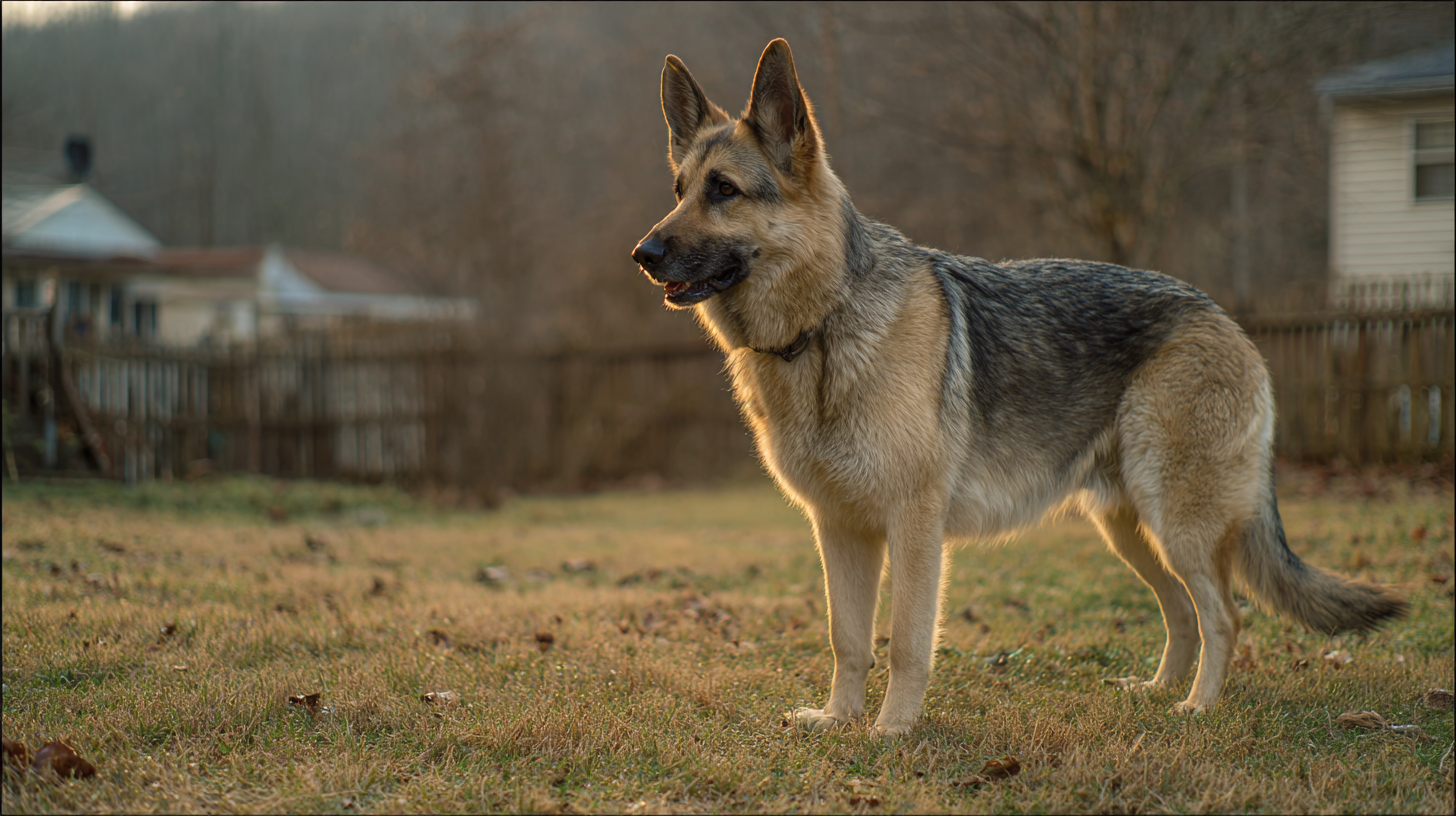
If your dog has started growling, snapping, or acting tense, you may feel worried or confused. You might be asking yourself, “Why is my dog being aggressive all of a sudden?”
The good news is this: aggression almost always has a reason. When a dog shows aggression, they are communicating something important. They may be afraid, in pain, stressed, or unsure of how to handle a situation.
In this guide, we’ll explain the most common causes of aggression, how breed temperament can play a role, what warning signs to watch for, and when it’s time to seek professional help.
What Does Aggression in Dogs Look Like?
Aggression is more than just biting. It can include:
Growling
Snapping
Showing teeth
Lunging
Deep, intense barking
Stiff body posture
Raised fur along the back
Freezing before reacting
Many dogs give subtle warning signs before escalating. These can include yawning when stressed, licking their lips, avoiding eye contact, turning away, or stiffening slightly. If these early signals are missed, a dog may feel forced to respond more strongly.
Learning to notice these early signs can prevent situations from getting worse.
Common Reasons Dogs Become Aggressive
1. Fear
Fear is one of the most common causes of aggression. A scared dog may feel like they must defend themselves.
Fear-based aggression can happen when:
A dog was not well socialized as a puppy
They had a negative or traumatic experience
They feel trapped or cornered
Someone approaches too quickly
A fearful dog may crouch, tuck their tail, and avoid eye contact before growling or snapping. This is not about dominance. It is about self-protection.
2. Pain or Illness
If your typically friendly dog suddenly becomes aggressive, pain may be the cause. Dogs cannot tell us when something hurts, so they may react when touched.
Common medical causes include:
Arthritis or hip dysplasia
Dental disease
Ear infections
Soft tissue injuries
Skin disease
Internal pain
Even mild discomfort can make a dog irritable.
This is why a veterinary exam is so important. Through thorough physical evaluation and appropriate veterinary diagnostics, your veterinarian can look for hidden medical problems that may be triggering aggression.
3. Resource Guarding
Some dogs guard things they value. This may include:
Food or treats
Toys
A bed or favorite resting spot
Even a specific person
A dog who resource guards may stiffen, hover over the item, growl, or snap if someone approaches. This behavior can start small and become more serious over time if not addressed.
4. Territorial Behavior
Dogs are naturally protective of their space. Territorial aggression may appear when:
A stranger approaches the home
A visitor enters the house
Someone walks past the yard
Another dog comes near the car
This type of aggression often looks bold and confident, but it still usually stems from insecurity or instinct.
5. Frustration and Overstimulation
Sometimes aggression comes from frustration. For example:
A dog on a leash who cannot greet another dog
A dog behind a fence reacting to passersby
A dog who lacks enough physical or mental exercise
This is sometimes called leash reactivity or barrier frustration. Excitement builds up until it spills over into barking or lunging.
Do Certain Breeds Tend to Be More Aggressive?
It’s natural to wonder whether breed plays a role. The answer is yes — but not in the way many people think.
Different dog breeds were developed for specific jobs. Some were bred to guard property. Others were bred to herd livestock, hunt, or provide companionship. Those original roles still influence behavior tendencies today.
For example:
Herding breeds may react strongly to fast movement.
Guarding breeds may be naturally more protective or suspicious.
Terriers may have a stronger prey drive.
Some smaller breeds may be more prone to fear-based reactions if not properly socialized.
However, breed alone does not determine aggression. Training, socialization, environment, and health play a much larger role. Two dogs of the same breed can have completely different personalities.
If you are unsure whether your dog’s behavior fits normal breed temperament or signals a deeper issue, a veterinary consultation can help clarify the difference.
Is It About “Dominance”?
Many people assume aggression is about a dog trying to “be the boss.” Modern veterinary behavior science shows that this idea is often misunderstood.
Most aggression is rooted in:
Fear
Anxiety
Pain
Stress
Poor communication
Focusing only on dominance can delay proper treatment. Instead, the goal should be helping the dog feel safe and secure.
Warning Signs You Should Not Ignore
You should seek professional help if you notice:
Sudden changes in behavior
Aggression that is increasing in intensity
Biting
Aggression toward people, but especially children
Growling during normal handling
The earlier aggression is addressed, the better the outcome tends to be.
What Should You Do If Your Dog Is Aggressive?
Step 1: Schedule a Veterinary Exam
The first step is always to rule out medical causes. Pain and illness are common triggers.
If you’re local, an experienced Ivy area veterinarian like Wag can evaluate both physical and behavioral factors to develop a safe and practical plan.
Bloodwork, imaging, or other diagnostic tools may be recommended to uncover issues that are not obvious during a routine exam.
Step 2: Avoid Punishment
Punishing an aggressive dog can make things worse. Yelling or using harsh corrections can increase fear and anxiety, which often leads to more fear and subsequently, more aggression.
Instead, focus on:
Preventing known triggers (food, toys, beds, etc.)
Rewarding calm behavior
Creating safe space
Using positive reinforcement
Step 3: Work With Professionals
In some cases, your veterinarian may recommend working with:
A certified dog trainer
A veterinary behaviorist
A behavior consultant
Sometimes anti-anxiety medication may also be part of the treatment plan. Medication is not about sedating your dog. It helps reduce anxiety so behavior training can be more effective.
Step 4: Create a Safe Environment
While working on behavior changes, management is critical. This may include:
Using baby gates
Feeding pets separately
Supervising children closely
Avoiding crowded or stressful environments
Providing a quiet resting area
Keeping everyone safe is the top priority.
Can Aggression Be Treated?
Many cases of aggression improve significantly with the right approach. Although few dogs fully recover, most do well with ongoing management.
Success depends on:
The underlying cause
How long the behavior has been present
The dog’s individual temperament
Consistency in training and care
Ignoring aggression doesn’t make it disappear. Early action offers the best chance for improvement.
When Is It an Emergency?
Seek immediate veterinary care if:
Your dog causes serious injury
Aggression appears suddenly along with confusion or seizures
Your dog seems disoriented or in severe pain
Sudden neurological or medical symptoms require urgent evaluation.
We’re Here to Help
At Wag Veterinary, we understand how stressful aggressive behavior can be. Our goal is not to judge you or your dog. We focus on identifying the cause and building a plan that supports both of you.
Through thorough exams and thoughtful care, we help uncover whether the issue is medical, behavioral, or a combination of both.
If you would like to learn more about our services, visit our main page to explore how we support pets and their families.
Final Thoughts
Aggression is not a personality flaw. It is a signal. Your dog is trying to communicate discomfort, fear, pain, or stress.
With patience, professional guidance, and proper medical evaluation, many aggressive behaviors can improve. The most important step is recognizing the behavior early and seeking help.
Your dog depends on you to understand what they cannot say — and with the right support, you can help them feel safe and secure again.
